Posts

Showing posts with the label soldier beetles

Fun Facts About Beetles Common to Lake Of the Ozarks
Image
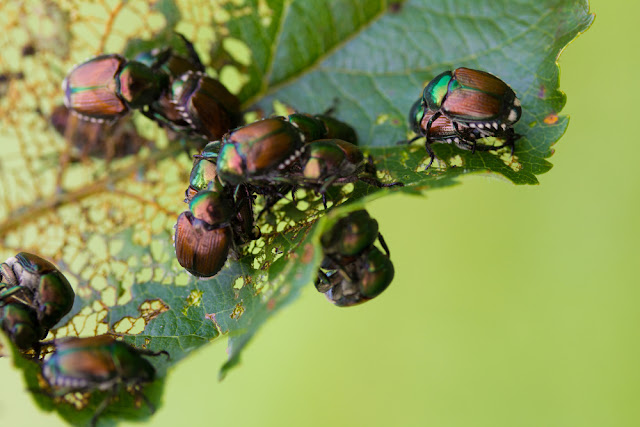
It's summer here at the Lake of the Ozarks, which means that pesky bugs are all over the place. One of the most common pests we see here at the Lake is beetles. From June bugs to Japanese Beetles, they come in all shapes and sizes and they are everywhere.  Best Pest Control  took a look at some fun facts about these pests we'll be seeing all summer long. Beetles are the largest group of living organisms.  One out of every four animals on earth is a beetle. When you add in plants, one out every five known organisms is a beetle. Scientists have found over 350,000 species of beetles and there are still more to be discovered! Some scientists estimate that there may be as many as 3 million beetle species living on the planet. The order Coleoptera (the insect order the beetles are in) is the largest order in the entire animal kingdom. Beetles are EVERYWHERE!  You can find beetles almost anywhere on the planet from the North Pole to the South Pole. From the deserts...

4 'Pests' that are GOOD for Your Garden!

Image
If you have a garden, you most likely run into the problem of bugs making themselves at home in it. While having any kind of bugs in your beautiful garden may be alarming, some of them can actually be beneficial to have around. Lake of the Ozarks’ best pest control company  can help defend your garden against unwanted pests that could do a lot of harm to your plants. But, let's take a look at some of the bugs that could be beneficial to your garden: 1. Green Lacewings This insect predator bears very distinctive, delicate looking wings, long antennae and gold or copper eyes. There are many different species of green lacewings, but they all closely resemble one another. They are not picky eaters and will feed on a wide range of pests including aphids, caterpillars, mites, whiteflies, thrips, mealybugs, leafhoppers and more. They frequently feed on insect eggs, plant nectars, pollen and honeydew. Their larvae can eat over 200 insects each! Green lacewings will often appe...