Posts

Showing posts with the label common missouri pests

5 Common Home Invaders of Missouri

Image
Even with the unseasonably cooler temperatures we've experienced this past week, the summer heat and humidity will likely stick around for a little while longer. But, with the summer storms comes the onslaught of relentless pests trying to invade your home. They're seeking shelter for the summer months and your home is the ideal location providing cool temps, darkness, and food. This week,  Best Pest Control  is sharing with you 5 common home invaders you'll likely find hiding out in the nooks and crannies of your home in Missouri. House Centipedes House centipedes like the cool, damp, environment found in places such as bathrooms, basements, and crawl spaces. They feed on other insects such as a bed bugs, cockroaches, spiders, termites, silverfish and other pests. Like most insects, they are very crafty when it comes to getting indoors. House centipedes will seek out a place that is warm and where they can hide and seek prey. They will get in under doors, through cracks ...

Missouri's Most Common Pests can Survive through Winter!

Image
When the cold weather appears, birds migrate south, bears go into hibernation, and humans layer up and tend to relax inside of their warm house. Have you ever wondered what happens to pests during the winter? Many people just assume that they die off, but Best Pest Control knows that some pests have strategies to make it through the winter. The best pest control company at the Lake of the Ozarks has some information about how some of Missouri's most common pests survive through the winter and the cold weather. Bed Bugs Bed bugs are interesting creatures. They can withstand temperatures from close to freezing to 122 degrees Fahrenheit. Because of this, controlling bed bugs can be extremely difficult. However, after a few days of exposure to temperatures below 32 degrees Fahrenheit, they usually succumb. The bad news? Our homes are the perfect refuge for bed bugs to survive during the winter months. Ants You don’t usually see a line of ants scurrying across the kitchen c...

What's the Difference Between Earwigs & Silverfish?

Image
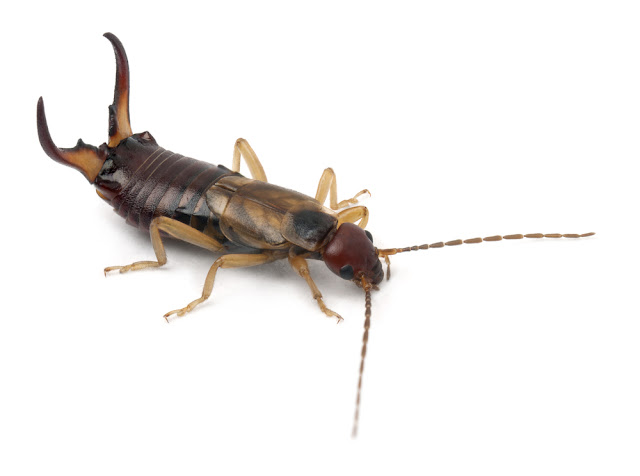
In Missouri, there are tons of bugs that we encounter in our homes. Usually these pests can be categorized within the same species, there are a few bugs that are unlike any others. Often, these two get confused and think of them as the same insect, the Earwig and Silverfish are two very unique insects.  Best Pest Control  is here to explain the difference between the two. If you think you may have an infestation of either of these pesky insects, give the  best pest control company at the Lake of the Ozarks  a call. How to Tell Earwigs and Silverfish Apart  Appearance Here are a few ways to tell the difference between earwigs and silverfish. Earwigs   Earwigs have slightly flattened bodies, however, that’s the only resemblance it has to the silverfish. Earwigs are usually brown or black and some have stripes of reddish coloring on their heads and limbs. Earwigs can be anywhere from ¼ of an inch to 1 ¼ inches long. Earwigs have wings,...

Fun Facts About Beetles Common to Lake Of the Ozarks

Image
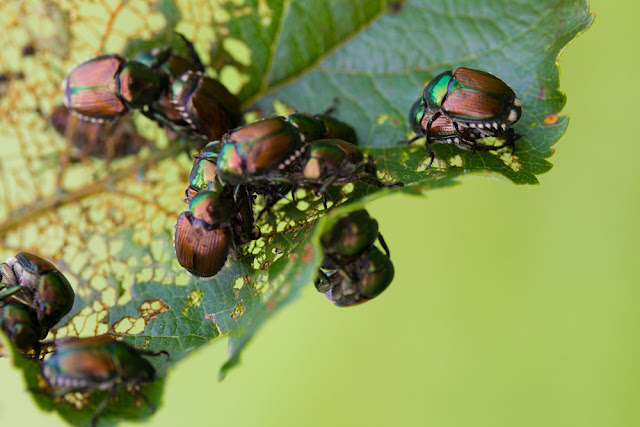
It's summer here at the Lake of the Ozarks, which means that pesky bugs are all over the place. One of the most common pests we see here at the Lake is beetles. From June bugs to Japanese Beetles, they come in all shapes and sizes and they are everywhere.  Best Pest Control  took a look at some fun facts about these pests we'll be seeing all summer long. Beetles are the largest group of living organisms.  One out of every four animals on earth is a beetle. When you add in plants, one out every five known organisms is a beetle. Scientists have found over 350,000 species of beetles and there are still more to be discovered! Some scientists estimate that there may be as many as 3 million beetle species living on the planet. The order Coleoptera (the insect order the beetles are in) is the largest order in the entire animal kingdom. Beetles are EVERYWHERE!  You can find beetles almost anywhere on the planet from the North Pole to the South Pole. From the deserts...