Posts

Showing posts with the label bees

3 Common Questions About Bees

Image
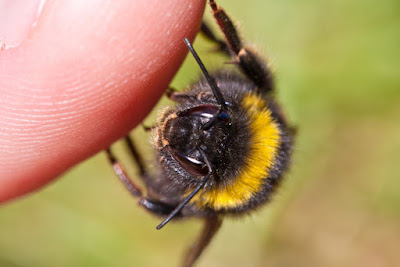
Last week we talked about Yellow Jackets, Wasps, and Hornets. This week, we thought we'd continue the talk on stinging insects by covering bees. Three of the most common types of bees encountered by homeowners are honey bees, carpenter bees, and bumble bees. Contact your  Lake of the Ozarks pest control company  to keep bees from becoming a burden to you.  Best Pest Control  can perform an inspection to accurately identify the offending bee and locate any damage. Below we answer 3 common questions about bees: Do Bees Die After They Sting You? This actually depends on what type of bee stung you. Honey bees, do indeed die after they sting you, but other bees can sting you and continue to live to find another victim. However, you don't have to worry about male bees stinging you. Only females are able to sting by pumping venom through a needle-like apparatus into the unfortunate receiver. Bees are able to grab and hold on to the victim's flesh while they sting you,...

5 Bugs to Show Some Love To!

Image
We normally don't like seeing pests in our homes and gardens, but not all insects are bad. There are a few insects that we should be thankful for. Since  Valentine's Day is a day all about showing the love,  Best Pest Control  is featuring a few bugs that we love and you should too! I f you see any of the bugs we mention below, show them some love and catch and release them into your yard or garden. Praying Mantis Praying mantis are great predators and eat moths, grasshoppers, flies and other insects. Their heads can rotate up to 180 degrees depending on the species. This head rotation allows them to remain very still while hunting. When an unsuspecting insect ventures near them, they will quickly strikeout. While they are a great natural pest control for gardens, they will also prey on beneficial bugs. Bees Honey bees and bumblebees are loved for their ability to pollinate. Many vegetables and fruit trees need to be pollinated by bees in order to pr...

5 Safe Ways to Remove Stingers

Image
Nothing ruins a beautiful day outside like a surprise bee sting!  You may not see them at first, but if they see you and think you are a threat, they may attack.  Your best defense is to calmly and quietly move yourself away from them.  If you aren't lucky enough to stay off of their radar and do get stung, Best Pest Control at the Lake of the Ozarks has some advice on how to get that stinger out. First of all, DO NOT use tweezers or pull it out with your fingertips.  A bee's sting doesn't stop releasing venom right away, and squeezing the stinger can possibly push more venom into your skin.  Scraping is the best way to remove a stinger.  1. Tape Kids especially like this one, because there is nothing scary about tape coming at you.  Place the tape over the stinger and gently pull away opposite the direction that the stinger entered rather than straight up.     2. Credit Card Just about anything that is flat and s...